
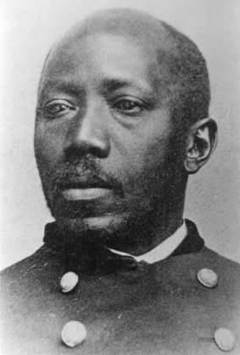
Martin Robison Delany was an African American abolitionist, physician, writer, Black nationalist and one of the earliest African Americans to encourage a return to Africa. Born in Charles Town, Virginia (now West Virginia) to a free mother and an enslaved father, he pursued education despite laws restricting Black literacy. He became active in Black print culture, publishing The Mystery and later working with Frederick Douglass on The North Star.
Delany's Pan-African and emigrationist thought became increasingly public after the Fugitive Slave Act of 1850. In 1852 he published The Condition, Elevation, Emigration, and Destiny of the Colored People of the United States, urging self-education and self-reliance. In 1854 he called the National Emigration Convention of Colored People in Cleveland, Ohio. In 1859 he led an emigration commission to West Africa to explore possible sites for a new Black nation along the Niger River.
During the U.S. Civil War, Delany recruited Black soldiers and in 1865 was commissioned a major in the 52nd U.S. Colored Troops Regiment. After Reconstruction, he renewed his interest in emigration and African self-determination. The source describes him as considered by many the 'father of black nationalism.
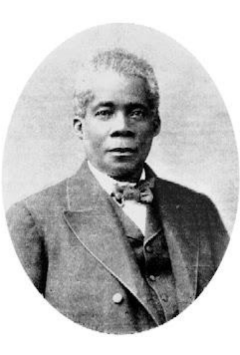
Edward Wilmot Blyden was born August 3, 1832, in Saint Thomas in the West Indies. The source describes him as considered by many historians a father of Pan-Africanism. An educator, writer, diplomat and political figure in Liberia and Sierra Leone, Blyden produced some of the earliest writings on Africans in the diaspora returning to the continent.
On July 27, 1857, Blyden delivered the address 'Liberia as She is; and the Present Duty of her Citizens.' The document emphasizes his warning against dependence on foreign aid, conspicuous consumption, and the pursuit of wealth without productive national development. He argued that genuine independence required internal resources, productive labor and investment in the country's own development.
Blyden also publicly celebrated Ethiopia's victory at the Battle of Gundet in 1875 as an African victory, a view shared by his contemporary Martin Delany.
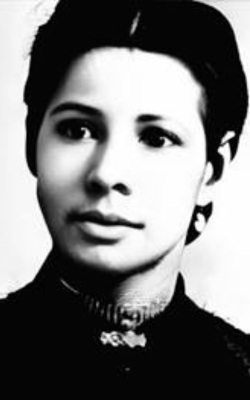
Alice Victoria Alexander Kinloch was born in Cape Town in 1863. She became a South African human-rights activist, public speaker and writer, and is presented in the source as a foundational woman in the anti-colonial Pan-African movement.
In 1895 she traveled to the United Kingdom and worked with the Aborigines' Protection Society, speaking in London, Newcastle, York and Manchester about the ill-treatment of Indigenous people in South Africa, especially the mining compound system. In 1897 she published 'Are South African Diamonds Worth Their Cost?', describing mining-compound conditions as 'slave-like' and arguing against pass laws.
Kinloch helped form the African Association in 1897 with Henry Sylvester Williams and Thomas Josiah Thompson and served as its first treasurer. The source credits her work in England as an important catalyst for the Association and the movement that led to the first Pan-African Conference.
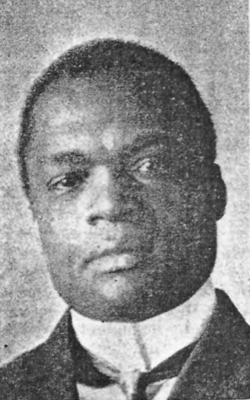
Henry Sylvester Williams was a Trinidadian barrister and activist whose work helped establish organized Pan-Africanism. In 1897 he founded the African Association to promote and protect the interests of people of African descent and to ensure that Black voices were heard in their own affairs.
Williams organized the first Pan-African Conference in London in July 1900. The gathering brought together delegates of African descent from Africa, the West Indies, the United States and Liberia. After the conference he toured Jamaica, Trinidad and the United States, helping establish branches of the Pan-African Association.
In 1903 Williams became the first Black man admitted to the bar in the Cape Colony. In Britain, he later became one of the first Black borough councillors in London. The document presents him as a trailblazer whose organizing helped provide an institutional foundation for later Pan-African congresses and, ultimately, continental unity movements.
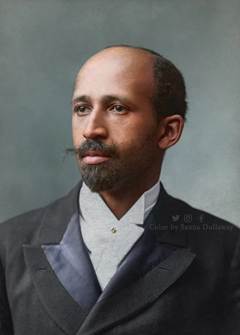
William Edward Burghardt Du Bois was born February 23, 1868, in Great Barrington, Massachusetts. A writer, teacher, sociologist and activist, he pioneered the use of research and data to document Black life and inequality. His 1899 study The Philadelphia Negro became an early landmark in empirical sociology, and The Souls of Black Folk introduced ideas such as 'double consciousness.
Du Bois participated in the 1900 Pan-African Conference and became a central torchbearer of the Pan-African Congress movement. The source associates him with the conference's 'Address to the Nations of the World' and the defining statement that 'the problem of the twentieth century is the problem of the colour-line.
He later led the 1919 Pan-African Congress in Paris and remained a major intellectual and organizational figure in the international Pan-African movement.
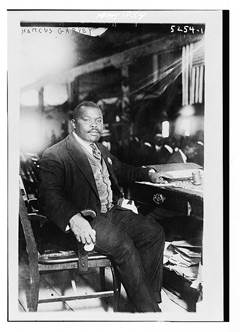
Marcus Garvey was born August 17, 1887, in St. Ann's Bay, Jamaica. A Black nationalist and Pan-African leader, he sought to connect people of African descent worldwide and emphasized Black pride, self-reliance, institution-building and economic independence.
Garvey founded the Universal Negro Improvement Association (UNIA), established a U.S.
chapter in Harlem in 1917, published the Negro World newspaper, and helped create the Black Star Line in 1919. At the UNIA convention in 1920, the 'Declaration of Rights of the Negro Peoples of the World' was ratified, and the red, black and green banner became closely associated with the movement.
The source highlights Garvey's emphasis on liberty through self-directed effort and his belief that people of African descent should build and honor their own institutions, history and heroes.
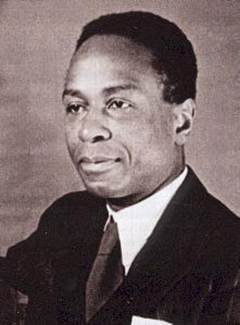
George Padmore, born Malcolm Nurse in Trinidad in 1901, was a journalist, radical activist and theoretician whose work strongly shaped Pan-African anti-imperialism in the first half of the twentieth century.
After political work in the United States and Moscow, Padmore settled in London in 1936. He published How Britain Rules Africa and Africa and World Peace, and helped found the International African Service Bureau in 1937. The bureau later merged into the Pan-African Federation.
Padmore was a principal organizer of the Fifth Pan-African Congress in Manchester in 1945. He developed a long alliance with Kwame Nkrumah and later spent his final years in independent Ghana as Nkrumah's adviser and mentor.
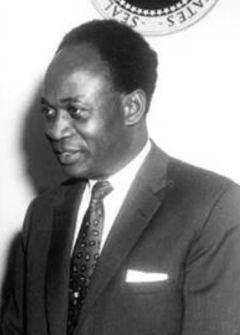
Kwame Nkrumah was born in September 1909 in Nkroful in the Gold Coast, now Ghana. After studies in the United States, he moved to England in 1945 and helped organize the Fifth Pan-African Congress in Manchester.
Returning to the Gold Coast in 1947, Nkrumah became general secretary of the United Gold Coast Convention and later founded the Convention People's Party in 1949, committed to immediate self-government. His 'positive action' campaign used nonviolent protest, strikes and noncooperation.
When Ghana became independent in March 1957, Nkrumah became its first prime minister; in 1960 he became president. He made African political unity a central objective and was among the key figures associated in the source with the 1963 Charter of the Organization of African Unity.
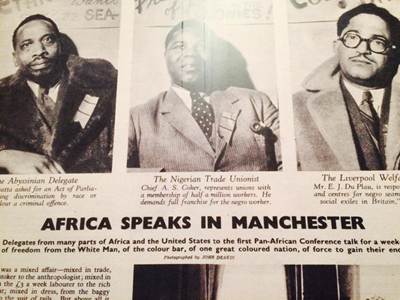
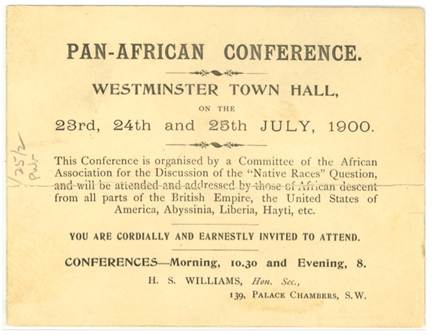
Held at Westminster Town Hall on July 23-25, 1900. The conference protested colonial land theft and racial discrimination, called for self-government and protection of sovereign Black states, and issued the 'Address to the Nations of the World.'
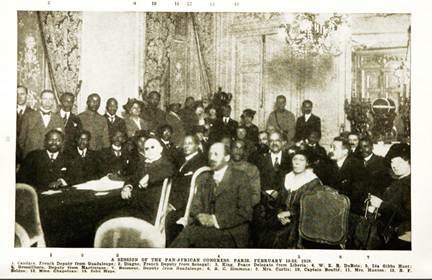
Led prominently by W.E.B. Du Bois, the congress demanded that the principle of self-determination apply to Africans.
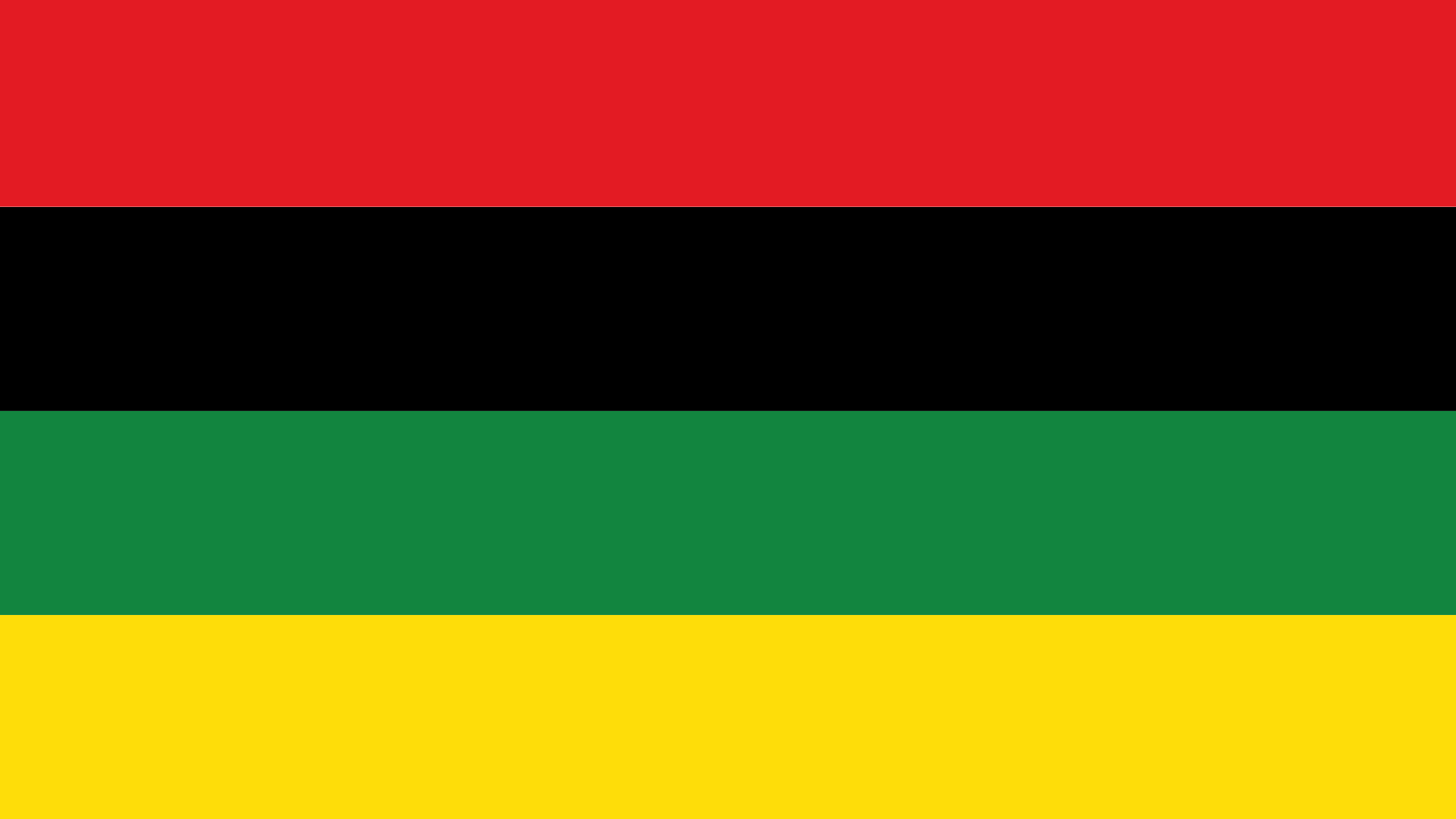
The Declaration of Rights of the Negro Peoples of the World was ratified at the UNIA convention. The red, black and green banner became a major symbol of Pan-African identity. • Red represents African bloodshed during the years of European occupation, black represents the peoples of Africa, green represents the fertility of the ground, yellow represents the African riches plundered under occupation.
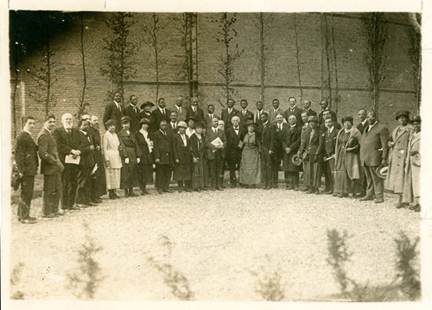
The Pan-African Congress movement continued to oppose imperialism, colonial rule and racial discrimination while calling for human rights and economic equality.
The Declaration of Rights of the Negro Peoples of the World was ratified at the UNIA convention. The red, black, green, and yellow banner became a major symbol of Pan-African identity.
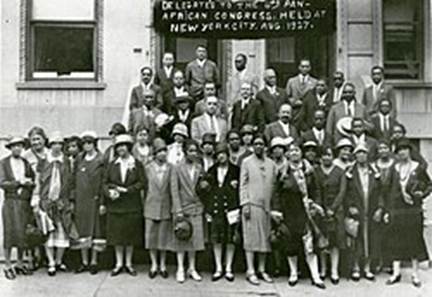
The source includes a photograph of delegates from Oregon attending the Fourth Pan-African Congress in New York.